
Reeded Cabinet Doors: What They Are, Where to Use Them, and Why They’re Trending
Reeded cabinet doors are one of the most popular ways to add texture, depth, and architectural detail to kitchens, bathrooms, built-ins, and other custom cabinetry projects. Reeded wood panels bring a refined look that feels both timeless and current, pairing well with modern, transitional, farmhouse, natural, and even rustic designs.
Whether used as an accent on a kitchen island or applied across an entire cabinet run, reeded cabinet doors create a clean focal point without overwhelming the space. For contractors, remodelers, designers, cabinet manufacturers, and cabinet shops, reeded door styles offer a practical way to introduce visual interest while keeping the overall cabinet design polished and versatile.
What Are Reeded Cabinet Doors?
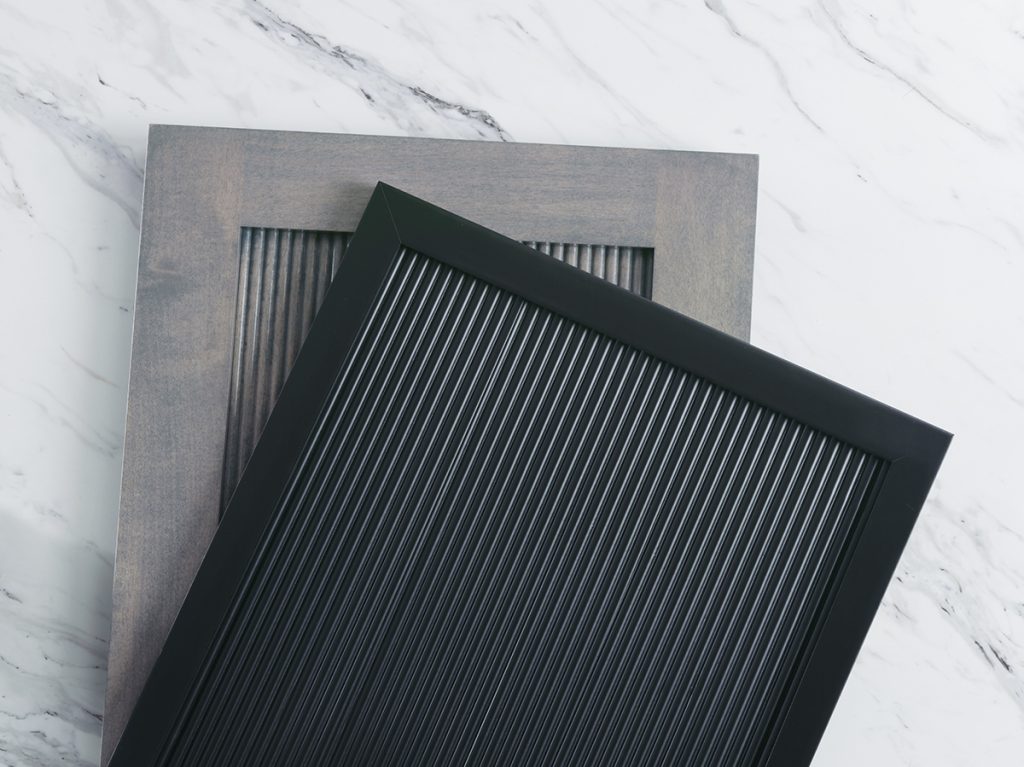
Reeded cabinet doors feature vertical rounded grooves or ridges that create texture across the cabinet surface. These reeded details are inspired by traditional millwork and architectural paneling, but they work especially well in today’s kitchen and bath designs.
Reeded door designs blend the structure of a cabinet door with the visual interest of textured wood panels. The result is a cabinet door that adds depth, shadow, and dimension while still feeling clean and intentional.
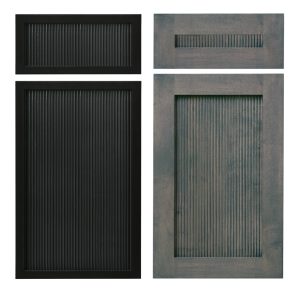
Reeded panels can be used in different ways depending on the project. Some designs use reeded inserts within a framed cabinet door, while others use reeded wood panels more prominently across the full door or drawer front. The look can be subtle or bold depending on the species, finish, placement, and surrounding cabinet style.
Reeded panels will add depth and detail for eye-catching elegance.
What’s the Difference Between Reeded and Fluted Cabinet Doors?
Reeded and fluted cabinet doors are closely related, and the terms are sometimes used interchangeably. Both styles use vertical texture to create depth and movement.
The main difference is usually the shape of the detail. Reeded panels often feature raised, rounded ridges, while fluted panels typically feature concave grooves that are carved or routed into the surface. Both create a similar linear effect and can be used to add texture to cabinet doors, drawer fronts, islands, vanities, and built-ins.
For customers searching for fluted cabinet doors, reeded cabinet doors may offer a similar design direction with a refined, architectural look.
Where Can You Use Reeded Cabinetry?
Reeded cabinetry can make a strong design impact in many areas of the home. In recent years, reeded cabinet doors have become especially popular in kitchens and bathrooms because they add texture without requiring a full redesign.
Popular placements for reeded cabinet doors include:
- Kitchen islands
- Beverage centers
- Pantry doors
- Bathroom vanities
- Bar cabinets
- Built-ins
- Media rooms
- Home offices
- Laundry rooms
- Mudrooms
Reeded doors can be paired with more traditional cabinet door styles or used more broadly across a full cabinet layout. In many projects, designers use reeded cabinetry as an accent to create contrast against smoother cabinet doors and drawer fronts.
Reeded Cabinet Doors for Kitchens
In kitchens, reeded cabinet doors work especially well on islands, accent cabinets, and beverage centers. A reeded kitchen island can become a focal point without feeling too heavy, especially when paired with simple surrounding cabinet doors.
Reeded panels can also help define a zone in open-concept layouts. For example, a bar area, pantry wall, or built-in storage area can use reeded cabinet doors to stand apart from the rest of the kitchen while still coordinating with the overall design.
For modern and contemporary kitchens, reeded cabinetry adds texture while keeping the lines clean. For transitional, farmhouse, and natural kitchen designs, reeded wood panels can add warmth, depth, and craftsmanship.
Reeded Cabinet Doors for Bathrooms and Vanities
Bathroom vanities are another strong placement for reeded cabinet doors. Because vanities are often smaller than kitchen cabinet runs, reeded doors can create a noticeable design moment without overwhelming the room.
Reeded vanity doors can pair well with painted finishes, natural wood tones, stone countertops, patterned wallpaper, and simple hardware. They can also help create a custom furniture-inspired look in powder rooms, primary bathrooms, and guest baths.
Reeded Cabinet Doors for Built-Ins and Living Spaces
Reeded cabinet doors are not limited to kitchens and bathrooms. They can also be used in home offices, media rooms, mudrooms, laundry rooms, and other built-in cabinetry projects.
In these spaces, reeded doors can help cabinetry feel more custom and finished. They are especially useful when a project needs texture, but the design still needs to remain clean, functional, and easy to coordinate with surrounding materials.
Benefits of Reeded Cabinet Doors
Reeded cabinet doors are growing in popularity because they offer both design impact and versatility.
- Adds Texture and Dimension: Reeded cabinet doors are an approachable way to add texture to a kitchen, bathroom, or built-in. The vertical ridges create shadow, movement, and depth, helping the cabinetry feel more detailed without relying on heavy ornamentation.
- Works Across Many Design Styles: Reeded cabinet doors can fit modern, contemporary, transitional, farmhouse, rustic, and natural design styles. The final look depends on the door style, wood species, finish, hardware, and surrounding materials.
- Creates a Sophisticated Focal Point: Reeded cabinetry can make a space feel more custom and elevated. Whether used on an island, vanity, bar cabinet, or built-in, reeded panels can create a focal point that feels intentional and refined.
- Supports Accent or Full-Room Applications: Reeded cabinet doors can be used sparingly as an accent or applied more broadly across a larger cabinet run. This flexibility makes them useful for both subtle updates and more dramatic design changes.
- Pairs Well With Paint and Stain: Reeded cabinet doors can work with painted finishes, stained wood finishes, and natural wood tones. Painted reeded doors can feel clean and modern, while stained reeded wood panels can highlight grain, warmth, and texture.
Choosing the Right Reeded Cabinet Door for a Project
The best reeded cabinet door depends on the project’s overall design direction, species, finish, and placement. A natural wood finish can highlight the texture and grain of the reeded panel, while a painted finish can create a cleaner, more subtle look.
For a bold design statement, consider using reeded doors on a kitchen island, vanity, or beverage center. For a more restrained application, use reeded panels on select accent doors while keeping the rest of the cabinetry simple.
Conestoga can help you align the reeded cabinet door look with the right species, finish direction, and project specifications.
Request Reeded Cabinet Doors and Wood Panels From Conestoga
If you would like to incorporate reeded cabinet doors into an upcoming project, Conestoga Wood Specialties can help you align the door style with your preferred species, finish direction, and purchasing path.
For information on how to purchase Conestoga products, visit our How to Buy page or contact our team to be routed to the best option for your project.